SBAB Productions LLC

Call Directions Website Contact the business

SBAB Productions LLC Affordable photography and videography for the rare and undeniable. We encourage authenticity! Love yourself, BE YOURSELF! Please feel free to message us ANYTIME!

We're here if you have any questions or concerns. Let us turn your idea into reality.

10/04/2026

🚨 THIS HOUSE HELPED CHANGE DALLAS — AND MOST PEOPLE HAVE NO IDEA.

🏠 It looks like an ordinary home.

But inside these walls, Juanita Jewel Craft was helping organize a movement that would change the future of Dallas.

Her home became far more than a place to live. It became a meeting place, organizing headquarters, and gathering space for the Civil Rights Movement.

From her home, Craft helped organize voter-registration drives, challenged segregation, and worked throughout Dallas to fight racial discrimination.

And this wasn’t quiet work.

Juanita Craft became one of the most influential civil rights organizers in Texas, helping register thousands of Black voters and working alongside national and local civil rights leaders.

Her home represents something bigger than bricks, walls, and a front porch.

It represents what can happen when one person decides enough is enough—and turns their home into a place where change begins.

📍 The Juanita Craft House is a powerful part of Dallas’ Black history, but its story belongs to ALL of Dallas.

So here’s the question:

How many places in Dallas have a history you walk past every day without knowing it?

🔥 CALL TO ACTION:
If you’re from Dallas, grew up here, or care about preserving the stories that shaped this city, SHARE this post.

👇🏾 And tell me in the comments: What Dallas Black history site should I uncover next?

Because these stories deserve to be seen, heard, and remembered.

Dallas history is Black history. And Black history is Dallas history.
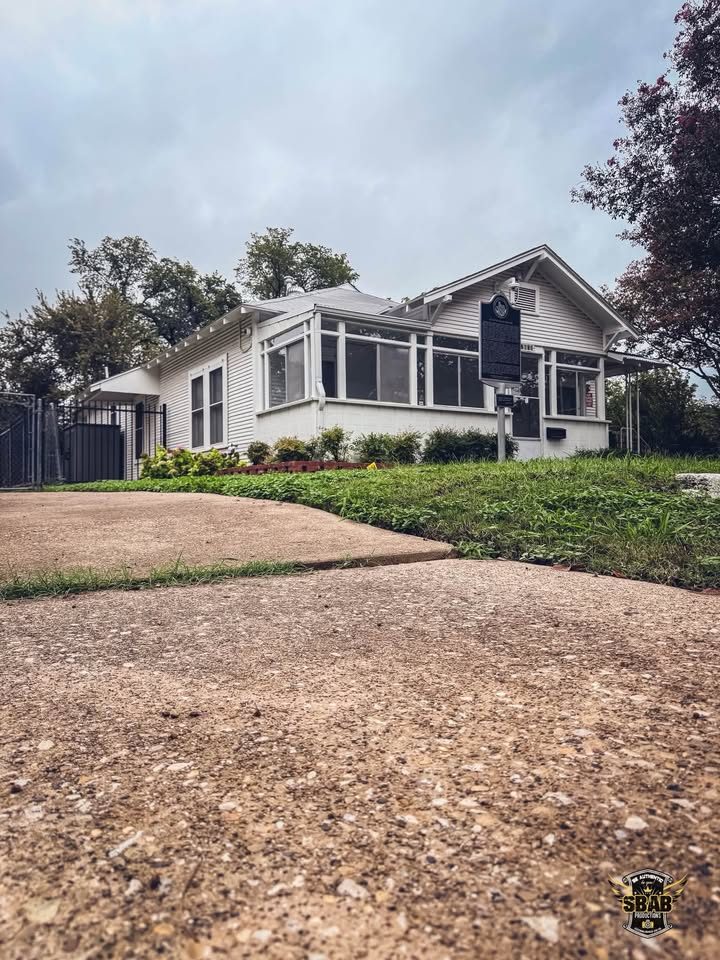
🚨 THIS HOUSE HELPED CHANGE DALLAS — AND MOST PEOPLE HAVE NO IDEA.🏠 It looks like an ordinary home.But inside these walls...
10/04/2026

🚨 THIS HOUSE HELPED CHANGE DALLAS — AND MOST PEOPLE HAVE NO IDEA.

🏠 It looks like an ordinary home.

But inside these walls, Juanita Jewel Craft was helping organize a movement that would change the future of Dallas.

Her home became far more than a place to live. It became a meeting place, organizing headquarters, and gathering space for the Civil Rights Movement.

From her home, Craft helped organize voter-registration drives, challenged segregation, and worked throughout Dallas to fight racial discrimination.

And this wasn’t quiet work.

Juanita Craft became one of the most influential civil rights organizers in Texas, helping register thousands of Black voters and working alongside national and local civil rights leaders.

Her home represents something bigger than bricks, walls, and a front porch.

It represents what can happen when one person decides enough is enough—and turns their home into a place where change begins.

📍 The Juanita Craft House is a powerful part of Dallas’ Black history, but its story belongs to ALL of Dallas.

So here’s the question:

How many places in Dallas have a history you walk past every day without knowing it?

🔥 CALL TO ACTION:
If you’re from Dallas, grew up here, or care about preserving the stories that shaped this city, SHARE this post.

👇🏾 And tell me in the comments: What Dallas Black history site should I uncover next?

Because these stories deserve to be seen, heard, and remembered.

Dallas history is Black history. And Black history is Dallas history.

09/25/2026

🚨 THIS NEIGHBORHOOD WAS BUILT BY PEOPLE WHO HAD JUST BEEN FREED.

Tenth Street in Oak Cliff isn’t just “an old neighborhood.”

After the Civil War, formerly enslaved Black Texans established a community here. Families built homes, churches, schools and businesses.

The neighborhood grew substantially after 1890, when T.L. Marsalis platted the area.

And here’s why it matters:

A lot of Dallas history disappeared.

But Tenth Street still holds a remarkable amount of its historic character, including sh***un houses and other vernacular homes connected to the community’s development.

These weren’t mansions.

They were homes built by people creating lives after slavery.

CLOSING:
Before you call an old Black neighborhood “run-down,” remember what it may actually be: evidence of somebody’s freedom.

🚨 THIS NEIGHBORHOOD WAS BUILT BY PEOPLE WHO HAD JUST BEEN FREED.Tenth Street in Oak Cliff isn’t just “an old neighborhoo...
09/25/2026

🚨 THIS NEIGHBORHOOD WAS BUILT BY PEOPLE WHO HAD JUST BEEN FREED.

Tenth Street in Oak Cliff isn’t just “an old neighborhood.”

After the Civil War, formerly enslaved Black Texans established a community here. Families built homes, churches, schools and businesses.

The neighborhood grew substantially after 1890, when T.L. Marsalis platted the area.

And here’s why it matters:

A lot of Dallas history disappeared.

But Tenth Street still holds a remarkable amount of its historic character, including sh***un houses and other vernacular homes connected to the community’s development.

These weren’t mansions.

They were homes built by people creating lives after slavery.

CLOSING:
Before you call an old Black neighborhood “run-down,” remember what it may actually be: evidence of somebody’s freedom.

09/19/2026

🚨 THE DEAD HAD TO FIGHT FOR THEIR PLACE TOO.

Right beside what became one of Dallas’ busiest highways sits a place connected to the city’s earliest Black community: Freedman’s Cemetery.

The cemetery served Dallas’ African American population beginning in the 19th century. It was part of the North Dallas community that became one of the largest segregated Black communities in the region.

Then development came.

Highway construction and later expansion destroyed much of the cemetery’s visible evidence. In the late 1980s and early 1990s, community members fought to protect the site. Archaeological investigations uncovered more than 1,000 graves, and those remains were carefully relocated.

Think about that.

People who had already survived slavery had their resting place disturbed generations later.

CLOSING:
Next time you drive past Central Expressway, remember: there are stories underneath Dallas that concrete can’t erase.

Photos taken by: Ashley Brown

🚨 THE DEAD HAD TO FIGHT FOR THEIR PLACE TOO.Right beside what became one of Dallas’ busiest highways sits a place connec...
09/19/2026

🚨 THE DEAD HAD TO FIGHT FOR THEIR PLACE TOO.

Right beside what became one of Dallas’ busiest highways sits a place connected to the city’s earliest Black community: Freedman’s Cemetery.

The cemetery served Dallas’ African American population beginning in the 19th century. It was part of the North Dallas community that became one of the largest segregated Black communities in the region.

Then development came.

Highway construction and later expansion destroyed much of the cemetery’s visible evidence. In the late 1980s and early 1990s, community members fought to protect the site. Archaeological investigations uncovered more than 1,000 graves, and those remains were carefully relocated.

Think about that.

People who had already survived slavery had their resting place disturbed generations later.

CLOSING:
Next time you drive past Central Expressway, remember: there are stories underneath Dallas that concrete can’t erase.

09/19/2026

🖤 DALLAS HISTORY THEY DIDN’T TEACH US.

You can drive down North Central Expressway every day and never realize you’re passing one of Dallas’ most painful pieces of Black history.

This is Freedman’s Cemetery.

And the story is MUCH deeper than “there’s an old cemetery by the highway.”

1. THESE WERE PEOPLE WHO HAD JUST BEEN FREED.
After slavery ended, formerly enslaved Black people built lives, families, churches, businesses and communities in Dallas. This cemetery became a final resting place for many of them.

2. THEY BOUGHT LAND FOR THEIR COMMUNITY.
In 1869, formerly enslaved people purchased land for $25 that became part of Freedman’s Cemetery.

3. THIS WASN’T AN EMPTY PIECE OF LAND.
It was part of a living Black community known as Freedman’s Town — a place where Black Dallas residents built lives after emancipation.

4. THEN DALLAS BUILT THE FREEWAY.
Central Expressway was constructed directly through the historic Black community.

Read that again.

A BLACK COMMUNITY WAS DISPLACED FOR A HIGHWAY.

5. PART OF THE CEMETERY ENDED UP UNDER THE ROAD.
Approximately a quarter of the cemetery was lost when Central Expressway was built and expanded.

6. AND FOR YEARS, PEOPLE DROVE OVER IT.
Imagine driving down the freeway knowing nothing about the people buried beneath the land.

Families.

Mothers.

Fathers.

Children.

People who had survived slavery and were trying to build a new life.

7. WHEN ARCHAEOLOGISTS FINALLY INVESTIGATED… THEY FOUND MORE THAN EXPECTED.
During investigations connected to the highway expansion, archaeologists uncovered more than 1,000 graves.

The cemetery had not disappeared.

It had been covered.

8. MANY OF THE GRAVES HAD NO HEADSTONES.
Not because the people weren’t important.

Because many families simply couldn’t afford elaborate monuments.

Some graves were marked with simple objects — or nothing that survived.

9. THOUSANDS MAY HAVE BEEN BURIED THERE.
Historical estimates indicate that the cemetery may have contained the remains of thousands of people, including formerly enslaved people and their descendants.

Think about that.

Thousands of Black lives beneath a highway most Dallas drivers probably never think twice about.

10. THE HISTORY WASN’T COMPLETELY LOST.
The remains that were recovered were respectfully reinterred, and Freedman’s Cemetery Memorial was created to tell the story of the people who were buried there and the Black community that once surrounded it.

🖤 HERE’S THE PART I WANT PEOPLE TO REALLY THINK ABOUT:

You cannot understand Dallas without understanding what happened to Black communities during the city’s growth.

People built communities.

People bought land.

People raised families.

People buried their loved ones.

And then progress came through — literally.

THE FREEWAY DIDN’T JUST CHANGE THE LANDSCAPE.
IT CHANGED PEOPLE’S LIVES.

So the next time you’re riding down Central Expressway…

Slow down mentally for a second.

Because beneath the concrete, traffic and noise is a history that deserves to be remembered.

They were here.
They built here.
They lived here.
They died here.
And they deserve to be remembered. 🖤

📍 Freedman’s Cemetery Memorial — Dallas, Texas

DON’T JUST DRIVE THROUGH HISTORY.
LEARN IT.

🖤 DALLAS HISTORY THEY DIDN’T TEACH US.You can drive down North Central Expressway every day and never realize you’re pas...
09/19/2026

🖤 DALLAS HISTORY THEY DIDN’T TEACH US.

You can drive down North Central Expressway every day and never realize you’re passing one of Dallas’ most painful pieces of Black history.

This is Freedman’s Cemetery.

And the story is MUCH deeper than “there’s an old cemetery by the highway.”

1. THESE WERE PEOPLE WHO HAD JUST BEEN FREED.
After slavery ended, formerly enslaved Black people built lives, families, churches, businesses and communities in Dallas. This cemetery became a final resting place for many of them.

2. THEY BOUGHT LAND FOR THEIR COMMUNITY.
In 1869, formerly enslaved people purchased land for $25 that became part of Freedman’s Cemetery.

3. THIS WASN’T AN EMPTY PIECE OF LAND.
It was part of a living Black community known as Freedman’s Town — a place where Black Dallas residents built lives after emancipation.

4. THEN DALLAS BUILT THE FREEWAY.
Central Expressway was constructed directly through the historic Black community.

Read that again.

A BLACK COMMUNITY WAS DISPLACED FOR A HIGHWAY.

5. PART OF THE CEMETERY ENDED UP UNDER THE ROAD.
Approximately a quarter of the cemetery was lost when Central Expressway was built and expanded.

6. AND FOR YEARS, PEOPLE DROVE OVER IT.
Imagine driving down the freeway knowing nothing about the people buried beneath the land.

Families.

Mothers.

Fathers.

Children.

People who had survived slavery and were trying to build a new life.

7. WHEN ARCHAEOLOGISTS FINALLY INVESTIGATED… THEY FOUND MORE THAN EXPECTED.
During investigations connected to the highway expansion, archaeologists uncovered more than 1,000 graves.

The cemetery had not disappeared.

It had been covered.

8. MANY OF THE GRAVES HAD NO HEADSTONES.
Not because the people weren’t important.

Because many families simply couldn’t afford elaborate monuments.

Some graves were marked with simple objects — or nothing that survived.

9. THOUSANDS MAY HAVE BEEN BURIED THERE.
Historical estimates indicate that the cemetery may have contained the remains of thousands of people, including formerly enslaved people and their descendants.

Think about that.

Thousands of Black lives beneath a highway most Dallas drivers probably never think twice about.

10. THE HISTORY WASN’T COMPLETELY LOST.
The remains that were recovered were respectfully reinterred, and Freedman’s Cemetery Memorial was created to tell the story of the people who were buried there and the Black community that once surrounded it.

🖤 HERE’S THE PART I WANT PEOPLE TO REALLY THINK ABOUT:

You cannot understand Dallas without understanding what happened to Black communities during the city’s growth.

People built communities.

People bought land.

People raised families.

People buried their loved ones.

And then progress came through — literally.

THE FREEWAY DIDN’T JUST CHANGE THE LANDSCAPE.
IT CHANGED PEOPLE’S LIVES.

So the next time you’re riding down Central Expressway…

Slow down mentally for a second.

Because beneath the concrete, traffic and noise is a history that deserves to be remembered.

They were here.
They built here.
They lived here.
They died here.
And they deserve to be remembered. 🖤

📍 Freedman’s Cemetery Memorial — Dallas, Texas

DON’T JUST DRIVE THROUGH HISTORY.
LEARN IT.

📸: SBAB Productions LLC Ashley Brown

🚍✨ DALLAS HISTORY FUN FACTS: THE OLD GREYHOUND STATION ✨🚍If you grew up in Dallas, traveled through Dallas, or simply lo...
09/18/2026

🚍✨ DALLAS HISTORY FUN FACTS: THE OLD GREYHOUND STATION ✨🚍

If you grew up in Dallas, traveled through Dallas, or simply love old-school Dallas history, you might remember the iconic Greyhound station at 205 S. Lamar Street downtown. ❤️

Here are a few fun facts:

📍 1. It was located right in Downtown Dallas
The station sat at Lamar and Commerce Streets, putting travelers right in the middle of downtown.

🏛️ 2. The building dates back to the 1940s
The Texas Historical Commission identifies the station as having been constructed around 1940, while other historical records date the existing terminal to 1946.

✨ 3. It was designed in the Streamline Moderne style
Look closely at the architecture and you’ll see characteristics of the era—glass block, strong horizontal lines, large windows and a streamlined appearance.

🐕 4. The Greyhound name was literally part of the architecture
The station featured prominent Greyhound signage and the company’s logo so travelers could easily identify the terminal.

🚌 5. It wasn’t just a place to catch a bus
For generations of travelers, the station was part of the experience of arriving in or leaving Dallas—connecting the city to destinations throughout Texas and across the country.

🕰️ 6. It became part of Dallas transportation history
The station remained a major downtown Greyhound terminal for decades before service eventually moved away from the Lamar Street location.

📸 7. Today, it’s a piece of Dallas nostalgia
For some people, that old station brings back memories of family trips, moving to a new city, visiting relatives, college journeys and countless hellos and goodbyes.

And here’s a BIG one…

🚨 The Downtown Greyhound terminal is no longer the current Dallas Greyhound station. Greyhound and FlixBus moved operations from the Lamar Street terminal to a new facility on Harry Hines Boulevard in December 2025. (Greyhound News)

Dallas has changed A LOT… but the memories stay. ❤️💙

Did you ever ride a Greyhound out of the old Downtown Dallas station?
👇🏽 Tell me your memories!

📸: Ashley Brown

Address

Dallas, TX
75080

Alerts

Be the first to know and let us send you an email when SBAB Productions LLC posts news and promotions. Your email address will not be used for any other purpose, and you can unsubscribe at any time.

Contact The Business

Send a message to SBAB Productions LLC:

Shortcuts

Share









